A leaking roof can quickly turn into a costly problem for an HOA community. One damaged section can lead to ceiling stains, ruined insulation, interior water damage, and complaints from several homeowners. The longer you wait, the more expensive the repairs can become.
Precision Exteriors helps California HOA and commercial property managers address construction, property maintenance, and unexpected damage. We understand that managing a roofing project involves more than hiring a contractor. You need clear communication, proper scheduling, quality workmanship, and a team that respects the needs of your residents.
Managing a roofing project across several residential buildings takes careful planning. You have to consider the condition of each roof, the association’s budget, resident concerns, and the work schedule. A contractor who understands these responsibilities can make the process much easier for your property management team.
Precision Exteriors works with HOA boards, community association managers, and property managers throughout California. We focus on professional workmanship, responsive communication, and dependable project support.
Our approach includes:
Your HOA needs a construction partner who takes the work seriously and understands the importance of keeping property managers informed. That’s the kind of service we aim to provide.
Sometimes there can be hidden issues with your roof that you wouldn’t be aware of. Small cracks, loose flashing, old sealants and blocked drains can all cause your property to let water in. Regular inspections will help you to identify any issues early on. They will give your HOA board members a better understanding of the state of the roof.
Professional roof assessments should include:

Roofing products are exposed to severe weather conditions such as sun, wind, rain and temperature changes. Your roof may start to show signs of wear and tear such as shingles becoming worn, tiles cracking and flat roofing becoming punctured or worn. During your inspection, you want to identify any issues on the surface that are clearly visible. It will also help you to understand if the issue is localised or covers a larger area which will help you identify whether you need to make minor repairs or complete a larger roofing project.

Roof flashing helps protect your roof at areas where the roofing material meets walls, chimney, vents, skylights and other structures. The areas should be protected properly to stop any water coming into your property even from small areas. You want to check for any loose flashing, damaged metal, faulty sealants and any gaps around roof penetrations. These issues can often lead to ongoing leaks.

You want to make sure your roof has a good drainage system to help get the rain off your property. Clogged gutters, blocked downpipes and damaged roof drains can cause water to pool. Flat and low slope roofs should be paid particular attention too. You want to check for any debris, corroded parts, loose fittings and any signs of water pooling.

If there is an issue with your roofing then water can penetrate down onto your deck, insulation, ceiling and structural framework. Check your ceilings for any staining, peeling paint, damp insulation, soft materials and any signs of constant moisture. If you suspect structural damage then you should organise for a professional to carry out an assessment before completing any repairs.
A roof leak needs attention before it causes more damage. Water can spread through insulation and ceiling cavities, affecting drywall, electrical components, and interior finishes. In an HOA community, the problem may also affect neighboring units or shared building areas.
The first step is to locate the source of the leak. Fixing a ceiling stain without addressing the roof defect will only leave your community with the same problem later.
Common roofing issues that may require repair include:
Stopping the leak is only part of the repair process. Your HOA also needs to check the affected areas inside the building.
Water can remain trapped in insulation and other materials even after the roof stops leaking. If you leave these areas untreated, moisture can contribute to further deterioration and indoor air quality concerns.
A proper remediation plan may involve:
Precision Exteriors provides responsive emergency reconstruction support when unexpected property damage occurs. We understand that HOA representatives need clear communication and dependable assistance when residents report leaks or damage.
Replacing a roof can be a significant cost for an HOA. This could include multiple buildings, common areas and resident access.
By planning ahead the board will be able to make informed decisions without rushing. Property managers will be able to look at multiple proposals, research the correct materials and develop a construction schedule.
When looking at replacing a roof, there are multiple factors to consider, this should not just be based on the age of your roof. Consider the condition of your material, quality of installation, number of past repairs, weather exposure and indications of water penetration.
Consider replacing the roofs on your HOA if they are requiring regular repairs.
Indications that your roof may need replacing:
A qualified roofing professional can come out to look at your current roof system. They can inform you what is the best option for you, repairs, remediation or full replacement. Request a written report so the board can review.
There are many factors that need to be considered when choosing the right roofing material for your buildings. The design of your building, roof pitch, building structure, local weather, maintenance needs and budget.
Common roofing systems used in HOA properties in California include:
It is important to consider the overall cost of the materials you are considering. This includes installation, anticipated maintenance, manufacturers requirements and warranty. Even if a material is cheaper to start with, if it requires more frequent repairs it may not be the most cost-effective option.
Large HOA communities often have multiple buildings with varying roof conditions. Some may need urgent attention whilst others have many years of useful working life.
You may not need to replace all of the roofs at once. By having a staged construction schedule you can prioritise which buildings need to be worked on based on the findings of your inspections, leaking issues and maintenance needs.
Buildings that have current leaking issues or significant wear can be dealt with first. Other roofs can be completed as per your associations Capital Improvement Plan.
This also means property managers will have more control over informing residents, contractor access, parking restrictions, material deliveries and construction schedule.
Your HOA should maintain a regular roof maintenance program based on the roofing materials, building age, previous repairs, and manufacturer's recommendations.

Arrange professional inspections at appropriate intervals and after significant weather events. Annual inspections provide a useful starting point for many HOA communities, although roofs with known problems may require more frequent attention. Keep inspection reports and photographs so your board can compare the roof's condition over time.

Remove leaves, branches, dirt, and other debris from gutters and drainage points. Blocked drains can cause water to accumulate, especially on flat and low-slope roofs. Do not allow untrained maintenance personnel to walk on roofing surfaces. Some materials can crack under foot traffic, and working at roof level also presents serious fall hazards.

Keep track of repaired areas and check them during future inspections. Pay attention to recurring leaks, deteriorating sealants, and sections where previous water intrusion affected interior materials. If the same area keeps developing problems, ask a qualified professional to investigate the underlying cause rather than repeatedly applying temporary fixes.

Your HOA should keep a centralized record of roofing work and maintenance activities. These documents help new board members understand the property's condition and give property managers useful information when preparing budgets. Your records should include roof installation and replacement dates, roofing material specifications, inspection reports and photographs, repair invoices and maintenance history, manufacturer and workmanship warranties, known leaks and previous water damage, and recommended future repairs and replacement schedules. Good records also help your HOA review contractor proposals and plan future capital improvements.
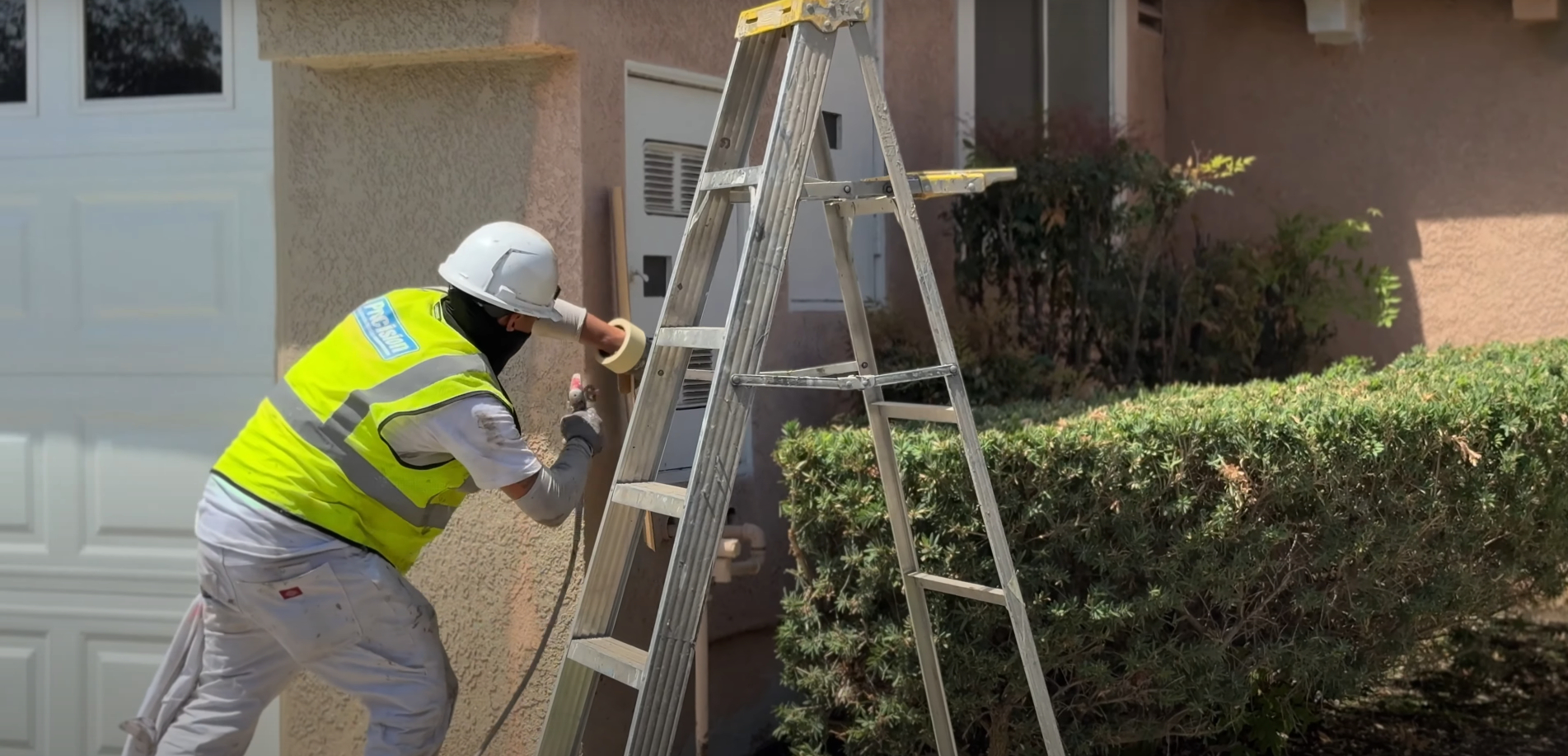
Precision Exteriors coordinates HOA roofing projects from planning through completion, helping your association manage construction while keeping residents informed. We work with HOA boards and property managers to define the project scope, identify affected buildings and roofing areas, establish the work sequence, and clarify responsibilities for any related repairs or trades.
Our written proposals outline the work, exclusions, anticipated schedule, payment terms, and applicable warranties so your association knows what to expect. Before construction begins, we coordinate resident notices covering work hours, parking and access restrictions, potential noise, material deliveries, safety precautions, and procedures for reporting concerns.
Throughout the project, we communicate schedule changes and unexpected conditions, monitor workmanship and progress, and coordinate required inspections. Once the work is complete, we conduct a final walkthrough to review outstanding items, cleanup, drainage, and shared areas, then provide applicable warranties and closeout documentation for your association’s records.
A sudden roof leak or storm-related problem can put several units at risk. Water may enter through damaged roofing materials, while fallen branches and debris can create additional hazards around the property.
Your HOA needs to act quickly to protect residents and prevent further damage.
Precision Exteriors provides responsive emergency reconstruction support for unexpected property damage. We understand that property managers need timely communication and dependable assistance when something goes wrong.
Take these steps when your community experiences a roofing emergency:
Never ask residents or untrained maintenance personnel to climb onto damaged roofs. Roof access requires proper training, equipment, and fall protection.
OUR PROJECTS
Choosing a contractor for your HOA project should feel straightforward. Precision Exteriors focuses on dependable service, professional workmanship, and keeping property managers informed throughout every project.
Your HOA should arrange professional roof inspections based on the building’s age, roofing material, maintenance history, and exposure to weather. Annual inspections provide a useful starting point for many communities. You should also arrange an inspection after significant storms or when residents report leaks.
Responsibility depends on the association’s CC&Rs, governing documents, and applicable state laws. Many HOAs maintain common-area roofs, but some associations have different rules for individual units and exclusive-use areas. Review your governing documents before approving repairs or assigning costs.
The decision depends on the roof’s overall condition, remaining service life, repair history, and extent of deterioration. Localized damage may only need repairs, while widespread material failure or recurring leaks may justify replacement. A professional assessment helps your board compare the costs and expected performance of each option.
There isn’t one roofing material that works for every HOA. Asphalt shingles, concrete tiles, clay tiles, metal roofing, and low-slope membrane systems each have different installation requirements, costs, and maintenance needs. Your choice should account for building design, structural capacity, local code requirements, and long-term maintenance.
Start with a clear construction schedule and notify residents before work begins. Coordinate parking restrictions, building access, material deliveries, and contractor working hours. For larger communities, phased construction can reduce the number of buildings affected at one time.
Roofing and property damage can create serious concerns for your HOA, especially when several buildings or homeowners are affected. You need a construction partner who takes your concerns seriously and keeps you informed throughout the work.
Precision Exteriors supports California HOA and commercial properties with professional construction services and responsive emergency reconstruction support. Our team values quality workmanship, clear communication, and dependable project management.
Call Precision Exteriors today at (866) 920-0001 to discuss your HOA property’s construction and maintenance needs.